Liquid Biopsy Testing: How Blood Tests Are Reshaping Cancer Care
For decades, understanding a tumour meant cutting into it. Tissue biopsies remain the diagnostic gold standard, but they are invasive, uncomfortable, and often capture only a single snapshot of a disease that never stops changing. Liquid biopsy testing offers a different route: a simple blood draw that can reveal fragments of tumour DNA circulating in the bloodstream. In oncology, genomics, and precision medicine, few technologies have moved from research concept to clinical relevance so quickly.
What Is Liquid Biopsy Testing and How Does It Work?
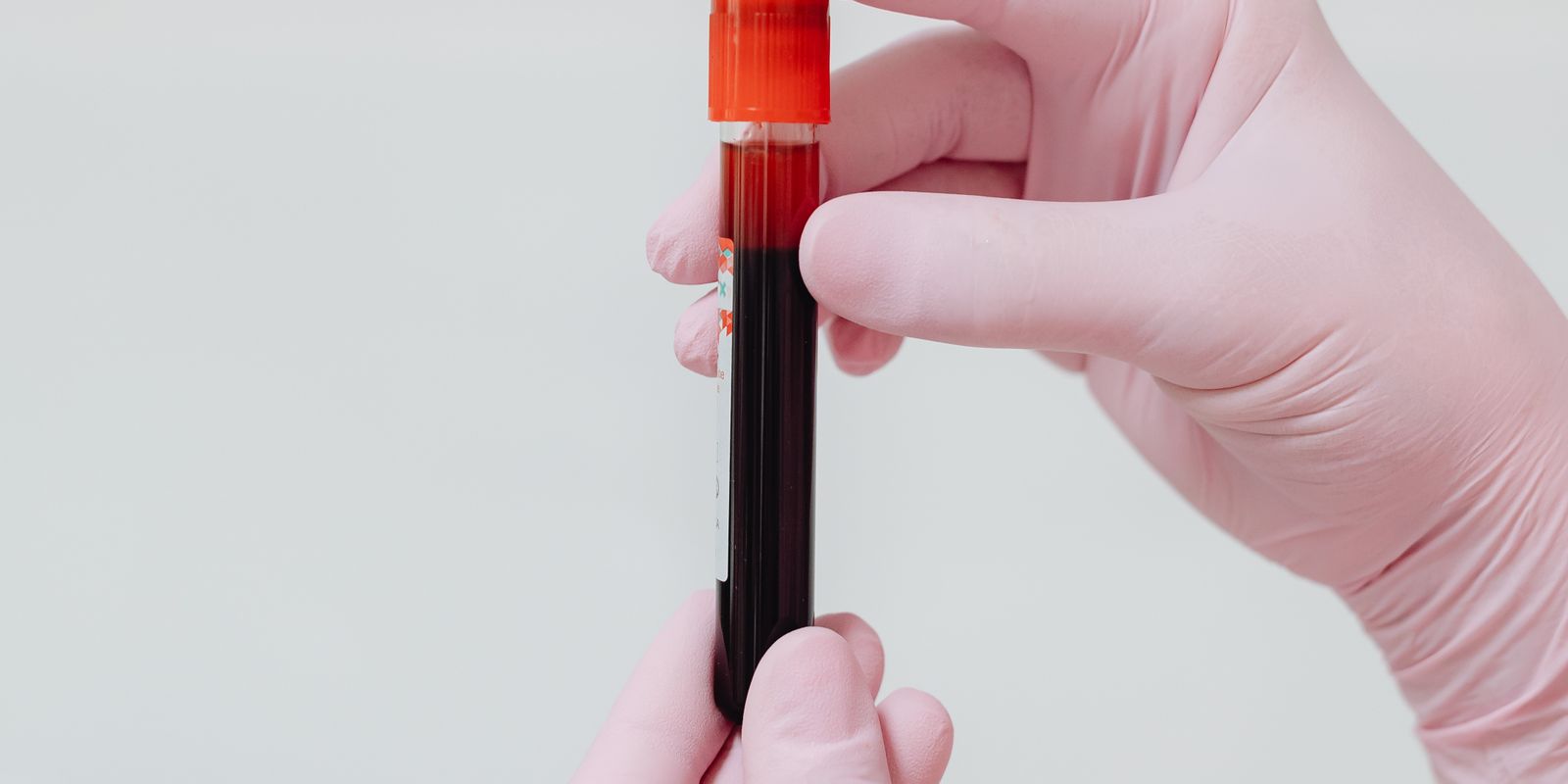
Every cell in the body releases small amounts of DNA into the bloodstream, and cancer cells are no exception. These fragments, known as circulating tumour DNA (ctDNA), carry the same genetic and epigenetic signatures as the tumour they came from. Liquid biopsy testing isolates cell-free DNA from a blood sample and analyses it using next-generation sequencing, DNA methylation profiling, and fragment-level analysis to detect mutations, copy number changes, and methylation patterns associated with malignancy. Because the sample comes from blood rather than tissue, the test is minimally invasive and can be repeated as often as clinically needed. Modern platforms can detect variants at very low allele frequencies, meaning even small quantities of ctDNA shed by a tumour can be identified. The result is a molecular readout of a patient's cancer that is accessible, rapid, and far easier to obtain than a surgical biopsy. At Deloris Health, liquid biopsy sits alongside tissue-based whole genome sequencing as part of a broader precision diagnostics portfolio, giving clinicians complementary views of the same disease.
The Clinical Advantages of Blood-Based Cancer Detection
The most immediate benefit of liquid biopsy testing is practical: it is safe, repeatable, and far less burdensome than a tissue procedure. Patients avoid the risks of surgery or needle biopsy, and clinicians avoid delays when a tumour is difficult to access, such as in the lung, pancreas, or brain. Just as importantly, a blood sample captures genetic material shed from multiple tumour sites at once, offering a more representative picture of tumour heterogeneity than a single tissue sample can. This matters in metastatic disease, where different clones may carry different mutations and respond differently to therapy. Blood-based testing also enables longitudinal monitoring. A sample taken at diagnosis, again after surgery, and at intervals during treatment can show whether a tumour is shrinking at the molecular level, whether residual disease persists, and whether resistance is emerging. Turnaround times are often shorter than tissue workflows, and the logistical simplicity of a blood draw makes decentralised testing feasible for hospitals and health systems that need to deliver genomic insights closer to where patients receive care.
Liquid Biopsy in Precision Oncology: Matching Patients to Targeted Therapies
Precision oncology depends on knowing exactly which molecular alterations are driving a patient's cancer. Liquid biopsy testing can identify actionable mutations in genes such as EGFR, KRAS, BRAF, and PIK3CA, as well as fusions, amplifications, and methylation signatures that inform diagnosis and treatment selection. In non-small cell lung cancer, for example, blood-based testing is now routinely used to detect EGFR mutations when tissue is limited, allowing patients to start targeted therapy without waiting for a repeat biopsy. Liquid biopsy is equally valuable for tracking acquired resistance. A patient who responds to a targeted therapy may later develop a secondary mutation, and a follow-up blood test can reveal this change long before imaging shows progression, opening the door to a therapy switch at the right moment. DNA methylation profiling adds another layer, distinguishing tumour types and tissue of origin with a precision that sequence alone cannot achieve. When combined with whole genome sequencing and radiogenomics, liquid biopsy helps build a molecular profile that supports genuinely individualised clinical decisions.
Real-World Applications: From Early Detection to Treatment Monitoring
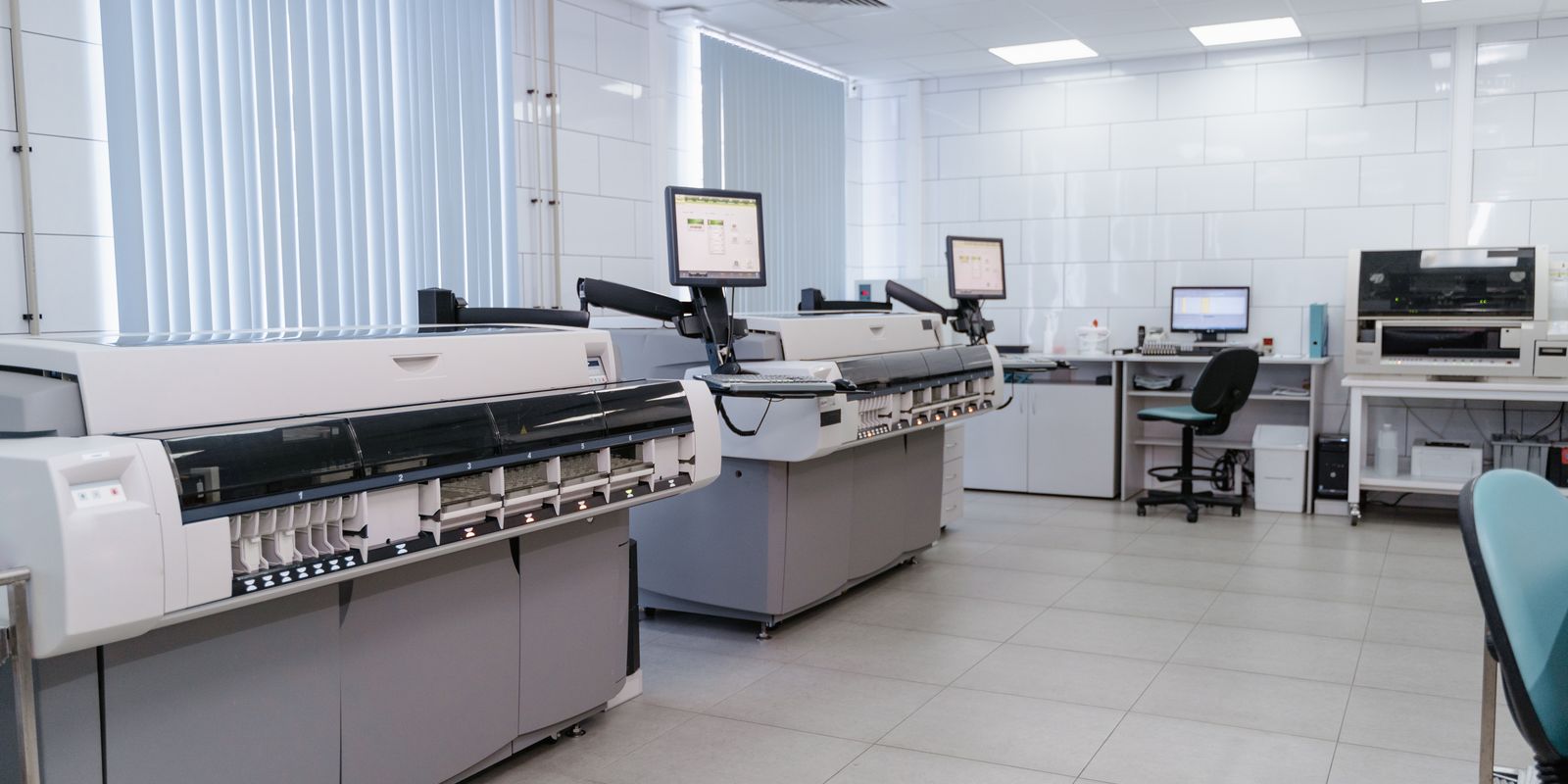
Liquid biopsy testing is no longer a single-use tool. In early detection, it is being evaluated for screening high-risk populations and for investigating suspicious imaging findings, particularly in cancers where tissue sampling is difficult. In surgical oncology, a post-operative blood test can detect molecular residual disease, identifying patients at high risk of relapse who may benefit from adjuvant therapy and sparing others unnecessary treatment. During systemic therapy, serial liquid biopsies provide an early signal of response or resistance that complements imaging. In surveillance, they offer a low-burden way to monitor for recurrence over months and years. Genomic and precision medicine programmes at hospitals and research institutions are also using liquid biopsy in clinical trials, where it accelerates patient stratification and enables real-time biomarker analysis. Each application comes with its own evidence base, and responsible adoption means matching the test to the clinical question, interpreting results in context, and integrating findings into existing pathways rather than treating them as standalone outputs.
What Clinicians and Patients Should Understand Before Testing
Liquid biopsy testing is powerful, but it is not a universal replacement for tissue diagnosis. Not every tumour sheds detectable amounts of ctDNA; early-stage disease, small lesions, and certain tumour types can produce false negatives, and a negative result does not exclude cancer. A positive result should be interpreted alongside clinical history, imaging, and where necessary a tissue biopsy to confirm diagnosis and histology. Sensitivity and specificity vary by platform and assay design, so clinicians should understand the performance characteristics of the test they are ordering. Cost, reimbursement, and turnaround time also influence practical use, as does patient consent and clear communication about what the test can and cannot tell them. At Deloris Health, our approach combines rigorous analytical validation with clinical context, ensuring that molecular findings from liquid biopsy are reported transparently and interpreted by qualified professionals alongside other genomic and imaging data. The goal is not more data for its own sake, but actionable information that genuinely improves patient care.
Conclusion
Liquid biopsy testing represents a meaningful shift in how cancer is detected, characterised, and monitored. By analysing circulating tumour DNA from a simple blood draw, clinicians gain repeatable, minimally invasive access to the molecular signature of a patient's disease, from actionable mutations to methylation patterns and emerging resistance. The technology offers real advantages in tumour heterogeneity, longitudinal monitoring, and access when tissue is limited, and it is increasingly embedded in precision oncology pathways from early detection through post-treatment surveillance. It also demands careful use: not every tumour sheds detectable DNA, results need clinical context, and tissue confirmation remains essential in many settings. Used thoughtfully, liquid biopsy complements whole genome sequencing, methylation profiling, and radiogenomics to support more informed, individualised decisions for patients and their care teams. As evidence matures and platforms continue to improve, blood-based genomic testing is set to become a standard part of modern cancer care.